June 29, 2020
Eric Bernardini June 19, 2020
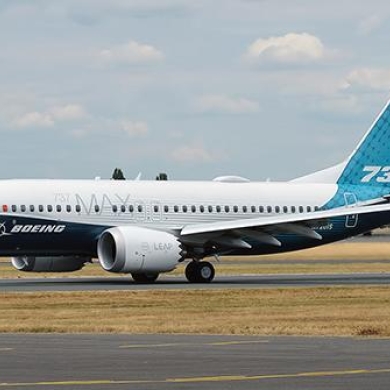
The air travel boom of the last few years, which launched an abundance of new airlines and sparked a record number of aircraft orders, is over. The first sign of trouble appeared in 2014 when the widebody aircraft market began to throttle back. Deeper issues surfaced with the Boeing 737 MAX grounding, which led to a production halt and a resulting hit to the global aerospace supply chain. Any remaining optimism for a 2020 recovery ended with the arrival of COVID-19, which has been catastrophic on several levels. Air travel has now come to a veritable halt.
This “perfect storm” demands that the commercial aviation industry act quickly and thoughtfully to first survive and then create a solid foundation for a recovery in the future.
The aerospace industry is nothing without its talent and its highly skilled workforce. The human consequences of the coronavirus have been significant, and the current health concerns are unlikely to go away anytime soon. This means that companies must first take deliberate and thoughtful actions to bring their people back to work safely and must employ a people-first philosophy. When leadership practices and demonstrates compassion, it makes employees feel valued and engaged.
What's needed now more than ever is the right kind of leadership. It isn't enough to be well-intentioned; the very best leaders will inspire and motivate by demonstrating an authentic understanding of the struggle of the individual employee while articulating a clear and progressive plan for coming back as a business. By demonstrating compassion and empathy, leaders will be able to create the cultures of innovation and accountability needed to accelerate recovery and progress.
Supporting the well-being of employees and business partners at such a time demonstrates a company's commitment to integrity and values. This will mean creating a clear set of policies and guidelines to both define measures being taken to ensure health and safety and then communicating these widely. It will also require being decisive and acting quickly on potential new outbreaks of the virus.
While there have been other instances of significant drops in air traffic in the past, they have generally been regional. Never have we seen a sustained global collapse of air traffic as we're seeing now because of the travel restrictions necessitated by COVID-19. International passenger demand in April fell 80% year-over-year, according to the International Air Transport Association. Every region across the world has seen double-digit percentage declines in traffic, with most airlines experiencing capacity reductions up to 95%.
Commercial aerospace spent the past decade scrambling to satisfy the demand of increasing commercial aircraft production rates. Now, in a reversal, the entire ecosystem must start to ramp down. The resulting cultural shock will be huge. Very few people in the industry have experienced such a demand drop.
Uncertainty around the timing of the overall economic recovery and a renewing of consumer confidence will remain high until there is a vaccine or a demonstrated cure protocol. The industry, then, needs to be prepared for a prolonged dip. This requires an immediate focus on cash containment measures and a thorough resizing of the business while preserving skills and capabilities. There are six major areas companies must address now:
(1) Begin with your leaders: Carefully assess and retain those leaders who are best equipped to lead your recovery. These will be leaders who are highly adaptive and who can anticipate and lead innovative solutions to unfamiliar problems. At this time, your organization needs leaders who are authentic, empathic, inclusive and inspiring. Effective leadership will help you create a compelling vision for the future, communicate this effectively, and democratize decision-making, thus provoking creativity and innovation in others. The very best leaders demonstrate the emotional intelligence and resilience to inspire teams to make the most of what is a very challenging environment.
(2) Be realistic about the topline impact: Model realistic production scenarios at least until 2022, including one that assumes production “going dark” well beyond production rate cuts announced by aircraft equipment manufacturers. Ensure that your models account for the severe impact on the aftermarket business, assuming a scenario of 70% of the fleet staying parked and accelerated retirement of older aircraft.
(3) Focus on a detailed cash forecast: Launch a comprehensive cash management program across the organization with a focus on cash as a key scarce resource. Centralize important cash decisions during the crisis and apply a “cash is king” philosophy. Review cash forecasting based on new topline scenarios and adjusting “business as usual” assumptions. For instance, what will be the added cash burn from additional supplier support or from deteriorating client payment terms? Challenge all capital expenditures, keeping only must-haves and deferring all noncritical capital projects. If you were spending cash on an acquisition, revisit, renegotiate or exit the deal.
(4) Adjust cost base to incorporate a significant ramp-down: Determine what cost structure your business can afford with a 50% ramp-down in production. Aggressively reduce operating costs to align with your darker topline scenario. Conduct a zero-based resize for all functions, headcount, and expenses, including engineering and program management. Assess the impact of production ramp-down as well as how you can optimize your manufacturing footprint and adapt your industrial operations by removing production lines and merging stations. Streamline selling, general and administrative costs to match a significantly smaller business. Adopt a startup mentality and digitize your operations.
(5) Protect and reshape the supply chain: This will be a key challenge for the whole industry. Find the answer to the question of how to keep a solid supply base while cutting production rates by 30-50%. Actively monitor your supply chain, identify critical suppliers early and anticipate potential consolidation. Be prepared to respond to distressed supplier situations, including bankruptcies. Use this opportunity to redesign your supply chain. What kind of supply chain do you want after the crisis is over? Who could you team up with to keep the critical skills of your suppliers?
(6) Negotiate with the government: The aerospace industry is vital for the health and recovery of most economies. While government aid has been quickly set in motion in Europe and North America, it often comes with strings attached. Navigating this will require strong coordination with shareholders, customers, suppliers, creditors and government stakeholders. Apply for the available government financing if it is appropriate for your business or go to financial markets, but do not accept funding if it is not enough to cover the needs of your dark scenario.
Acting quickly and decisively will be critical when leading teams through this dramatic change in the industry. At the same time, adapting and revising plans continually in the face of new information will be the new norm.
Eric Bernardini is managing director of Alix Partners. He specializes in business transformation and turnaround.
https://aviationweek.com/aerospace/manufacturing-supply-chain/opinion-six-essential-steps-surviving-aerospace-market-bust